Nov 25, 2025
Neck Pain: 5 Surprising Things That Might Be Making Your Head Feel Miserable
When your head feels like it's been through a blender or you’re "crashing out" harder than a dramatic hairpiece on a wave, the root cause is often closer than you think. Neck Pain doesn’t always start in the neck. Small, everyday habits can slowly add up and change how you think, feel, and function. Here are five straightforward places to look first—simple adjustments that often make a big difference.
1. Your phone is doing the heavy lifting

Look down at your phone right now and notice how your head tilts forward. That position, repeated for hours, puts strain on the muscles and joints at the top of your spine. Track your screen time—most people are surprised by how many hours their neck spends flexed. Reducing continuous phone time, using a stand, or bringing the device up to eye level can dramatically reduce Neck Pain and headache frequency.
2. That lanyard or necklace you never thought about

A heavy lanyard or necklace pulls subtly on your neck all day. If you have to wear an ID for work, try clipping it to a pocket, using a retractable reel, or placing it somewhere that doesn’t hang at the front of your throat. Small changes like this remove constant low-level strain that contributes to tension and discomfort.
3. Failing eyes = compensating head posture
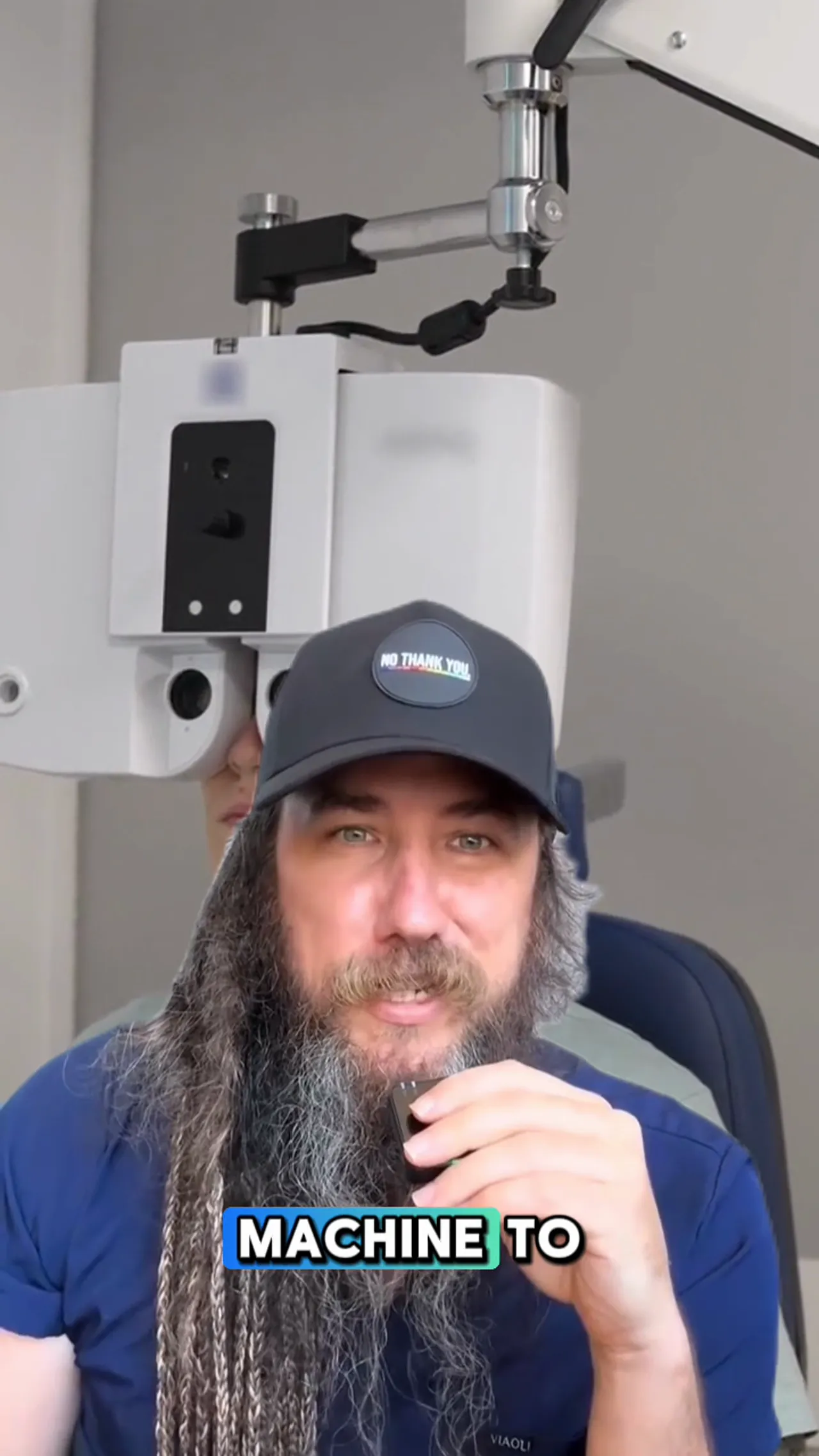
When eyesight declines, your head moves to get a better view. That forward lean into screens or squinting posture adds load to the neck. Don’t rely on the quick wall chart; see an optometrist who uses objective testing machines and gives a proper prescription. Correcting vision often reduces chronic Neck Pain because your body no longer has to overcompensate.
4. Poor sleep is a stealth neck agitator

Sleep quality, pillow choice, sleep apnea, and stimulants like caffeine and alcohol all affect how your neck feels. When sleep is a low priority, healing time is lost and muscles stay tense. Evaluate your sleep hygiene, experiment with pillow height and firmness, and consider a sleep review if you wake with headaches. Better sleep equals less Neck Pain for many people.
5. Food, drink, and skin products can trigger headaches and neck tension
Sometimes what you eat, drink, or apply to your skin doesn’t sit right with your system. Lactose, caffeine sensitivity, alcohol, or certain topical products can provoke headaches or a sense of malaise that shows up as neck tension. Try an elimination or simply take a break from suspected triggers for a week or two to see what changes.
Simple next steps

- Track your phone and screen time.
- Reduce constant loads like lanyards or heavy necklaces.
- Get an eye check from a thorough optometrist.
- Prioritize sleep and review pillows and stimulant use.
- Test dietary or topical triggers with a short break.
If you knew what to do, would you do it?
Most people can solve a lot of their Neck Pain with simple, consistent changes. If you need a hand, local clinics often offer short initial assessments to build a plan specific to you. A proper check can reveal that the neck isn’t always the only problem—it’s often connected to the eyes, sleep, or lifestyle. Do the small things that are required and see what changes.
Further resources and next steps
No external links were provided with this article. If you want to dive deeper, here are practical next steps you can search for or ask about at your local clinic:
- Physiotherapist assessment — book a short initial assessment to get a personalised plan.
- Screen time settings — enable screen-time tracking on your device and schedule regular breaks.
- Pillow guide — look for recommendations on pillow height and firmness for neck support.
- Optometrist check — ask for objective testing and an updated prescription if needed.
- Sleep review — consider a sleep study if you wake with headaches or poor-rest symptoms.
- Elimination trial — try removing potential dietary or topical triggers for 1–2 weeks to see if symptoms improve.
If you collect relevant information (screen time stats, sleep patterns, and any triggers you suspect), bring it to a clinician to speed up diagnosis and management.